simpson pressure washer manual
Simpson Pressure Washer Manual: A Comprehensive Guide
This guide provides essential information for Simpson pressure washer owners, covering everything from basic operation to detailed maintenance and troubleshooting procedures.
Discover how to maximize cleaning power, understand key specifications like PSI and GPM, and safely operate your specific Simpson model.
Explore detailed assembly instructions, nozzle selection guidance, and winterizing tips to ensure longevity and optimal performance of your equipment.
Understanding Pressure Washer Basics
Pressure washers utilize high-pressure water spray to remove dirt, grime, and other debris from surfaces. Understanding the core components and principles of operation is crucial for safe and effective use. At the heart of any pressure washer lies a pump, responsible for increasing the water pressure. Simpson pressure washers often feature robust CAT Pumps, known for their durability and performance.
Power comes from either a gasoline engine, frequently Honda engines in Simpson models, or an electric motor. The engine or motor drives the pump, creating the pressurized water stream. Water is drawn from a source – a garden hose is typical – and passes through the pump before exiting through a nozzle. The nozzle shapes the spray pattern and influences the cleaning power.
Key to understanding performance is recognizing the interplay between pressure (PSI) and flow rate (GPM). Higher PSI delivers more forceful cleaning, while GPM determines the volume of water, impacting how quickly an area can be cleaned. Familiarizing yourself with these basics will enhance your pressure washing experience.
PSI and GPM: Key Performance Indicators
Pounds per square inch (PSI) measures the force of the water stream, dictating its ability to lift dirt and grime. Higher PSI is ideal for tackling stubborn stains on durable surfaces like concrete. Conversely, lower PSI is preferable for delicate materials to prevent damage. Simpson offers models ranging from 2100 PSI for lighter tasks to 3600 PSI and beyond for heavy-duty cleaning.
Gallons per minute (GPM) indicates the volume of water delivered. A higher GPM means faster cleaning, as more water washes away debris. However, GPM also impacts water consumption. A balance between PSI and GPM is essential; high PSI with low GPM can be inefficient, while low PSI with high GPM may not provide sufficient cleaning power.
Understanding these metrics allows you to select the appropriate Simpson model and nozzle for each cleaning job. A combination of both results in “Cleaning Units”, a measure of overall cleaning performance.
Simpson Pressure Washer Models Overview

Simpson offers a diverse range of pressure washers catering to various needs, from light-duty residential cleaning to demanding commercial applications. Their lineup includes both gas-powered and electric models, each with unique features and performance characteristics. Residential models are designed for homeowners tackling tasks like deck cleaning, car washing, and siding maintenance.
Gas-powered models, often equipped with Honda engines or CAT Pumps, deliver higher PSI and GPM for more challenging jobs. Electric models provide quieter operation and zero emissions, suitable for smaller tasks and noise-sensitive areas. Key models include the PS60995 and CM61235, representing popular choices within their respective categories.
The 60688 model stands out with its CAT Pump and Honda GX390 engine, offering a robust and reliable cleaning solution. Exploring the 2023 Simpson Product Catalog reveals the full spectrum of available options, allowing users to find the perfect fit for their specific requirements.
Popular Simpson Models: PS60995 & CM61235
The Simpson PS60995 is a highly-regarded gas-powered model boasting 3600 PSI and a Honda GX200 engine, delivering substantial cleaning power. It achieves 9000 Cleaning Units and weighs 77 lbs, making it suitable for a wide array of tasks around the home. This model is favored for its reliability and performance on tougher grime.
In contrast, the Simpson CM61235 is an electric model offering 2100 PSI with a 15-amp motor. This lighter-weight option is ideal for less demanding jobs, providing a convenient and eco-friendly cleaning solution. Its portability and ease of use make it a popular choice for quick washes and smaller projects.
Both models represent excellent value within the Simpson lineup, offering a balance of power, features, and affordability. Understanding the specifications of each allows users to select the best tool for their specific cleaning needs.
Simpson 60688 Model Details
The Simpson 60688 is a robust pressure washer designed for homeowners tackling demanding cleaning projects. It features a powerful CAT Pump and a reliable Honda GX390 engine, ensuring durability and consistent performance. This model delivers a high level of cleaning power, making it effective against stubborn dirt and grime.
Currently priced at $1,440.00 and frequently in stock, the 60688 offers free shipping, adding to its appeal. Its construction focuses on providing a professional-grade experience for residential users. The CAT Pump is known for its longevity and ability to withstand frequent use.
This model is particularly well-suited for those needing a pressure washer capable of handling larger areas and tougher cleaning tasks. Detailed specifications and further information are readily available for prospective buyers.
Locating Your Simpson Pressure Washer Manual
Finding your Simpson pressure washer manual is crucial for safe operation, maintenance, and troubleshooting. While a physical copy may have been included with your purchase, digital versions are readily accessible online. The official Simpson website is the primary source for downloadable manuals, categorized by model number.
To locate the correct manual, ensure you have your pressure washer’s model number readily available. This number is typically found on a sticker affixed to the machine’s housing. Searching by model number guarantees you’ll download the precise manual for your specific unit.
Alternatively, retailers who sell Simpson pressure washers may also offer downloadable manuals on their websites. Keeping a digital copy on your computer or mobile device ensures easy access whenever you need it.
Safety Precautions Before Use
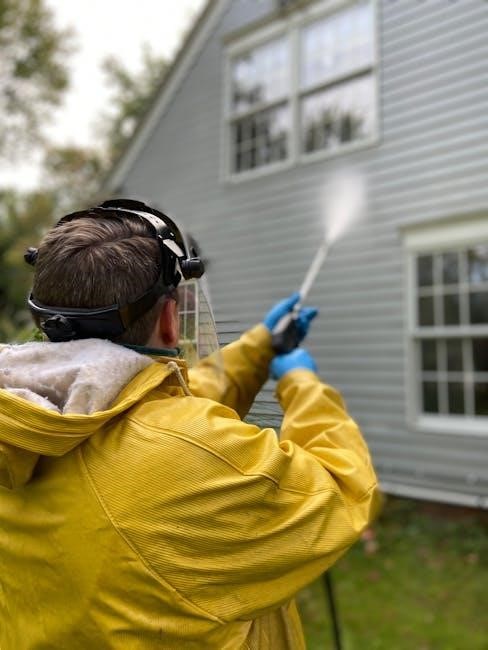
Prior to operating your Simpson pressure washer, adhering to strict safety precautions is paramount to prevent injury and ensure safe operation. Always wear safety glasses or goggles to protect your eyes from debris. Closed-toe shoes are essential, and gloves are recommended for hand protection.
Never point the wand at yourself or others, and avoid spraying electrical outlets or connections. Ensure the work area is clear of people and pets. Before connecting to a water supply, verify the water source is potable and free of contaminants.
Always disconnect the power source (or engine) before performing any maintenance or changing accessories. Be mindful of the high-pressure spray, which can cause serious injury. Read and understand the entire manual before use, paying close attention to warning labels.
Assembly Instructions

Begin by carefully unpacking all components and verifying against the parts list in your manual. Attach the high-pressure hose to both the pump and the spray gun, ensuring a secure connection – hand-tighten, then use a wrench for a quarter turn. Connect the water inlet hose to a potable water source and the pump inlet, again ensuring a tight seal.
Next, attach the desired nozzle to the spray gun, selecting the appropriate spray pattern for your cleaning task. If your model requires it, attach any included soap applicators or foam cannons. For engine-driven models, check the oil level before starting; add oil if necessary, using the recommended type.
Finally, ensure all connections are secure and there are no leaks before starting the pressure washer. Refer to the detailed diagrams in your manual for visual guidance throughout the assembly process.
Operating Your Simpson Pressure Washer
Before starting, double-check all connections and ensure the water supply is fully on. For electric models, plug into a grounded outlet; for gas models, confirm the fuel valve is open. Start the engine (gas) or press the trigger (electric) to initiate operation.
Always begin with a low-pressure nozzle and test on an inconspicuous area to assess cleaning effectiveness and prevent damage. Maintain a safe distance from the surface being cleaned – typically 8-12 inches. Use smooth, sweeping motions, overlapping each pass for consistent results.
Avoid directing the spray at electrical outlets, people, or pets. Release the trigger when not actively cleaning to conserve water and prevent overheating. Regularly monitor the machine during operation, checking for leaks or unusual noises.
Nozzle Selection Guide
Simpson pressure washers utilize a color-coded nozzle system to indicate spray angle and cleaning intensity. A 0-degree nozzle delivers a concentrated, powerful stream for stubborn stains, but use with extreme caution as it can damage surfaces.
The 15-degree nozzle is ideal for removing dirt and grime from concrete, brick, and siding. A 25-degree nozzle offers a wider spray pattern for general cleaning tasks on vehicles and patios. The 40-degree nozzle provides a gentle wash for delicate surfaces like painted wood.
A soap nozzle (often black) creates a low-pressure spray for applying detergents and cleaning solutions. Always use Simpson-approved detergents for optimal results and to prevent damage to the pump. Experiment with different nozzles to find the best setting for each cleaning application.
Maintenance and Care
Regular maintenance is crucial for extending the life of your Simpson pressure washer. After each use, disconnect the high-pressure hose and power cord, then rinse away any remaining detergent or debris. Inspect the nozzles for clogs and clean them as needed with a nozzle cleaning tool.
Periodically check the oil level in gasoline-powered models and add oil if necessary, using the type specified in your manual. Inspect the air filter and replace it if dirty. Clean the pump intake filter to prevent damage from sediment. Store the pressure washer in a clean, dry location.
Proper storage prevents damage. Following these simple steps will ensure your Simpson pressure washer remains in optimal working condition for years to come, delivering reliable cleaning power whenever you need it.
Cleaning and Storage
Thorough cleaning after each use is vital for maintaining your Simpson pressure washer. Disconnect all hoses and the power cord. Rinse the exterior with a mild detergent and water, avoiding direct spray on the motor or pump. Inspect and clean the nozzles to remove any blockages, ensuring optimal spray patterns.
For storage, choose a dry, protected location, free from freezing temperatures. Drain all water from the pump and hoses to prevent freezing damage. Store the unit upright to prevent oil from entering the carburetor. Consider using a fuel stabilizer in the gasoline tank for extended storage periods.
Proper storage safeguards against corrosion and ensures your Simpson pressure washer is ready for its next use, delivering consistent performance and extending its lifespan. Always consult your specific model’s manual for detailed instructions.
Winterizing Your Pressure Washer
Protecting your Simpson pressure washer from freezing temperatures is crucial to prevent costly damage. Begin by disconnecting the water supply and any attached hoses. Run the engine with the pump engaged until all water is expelled from the system – use a pump saver kit if available.
Drain the pump completely by removing the drain plug. For gas-powered models, stabilize the fuel or drain the tank to prevent fuel degradation during storage. Change the oil according to the manufacturer’s recommendations. Store the unit in a dry, sheltered location, ideally indoors.
Proper winterization ensures your pressure washer will start reliably and perform optimally when spring arrives, safeguarding your investment and maximizing its longevity. Refer to your model’s manual for specific winterizing procedures.
Troubleshooting Common Issues
Encountering problems with your Simpson pressure washer? This section addresses frequent issues and provides solutions. If the engine won’t start, check the fuel level, spark plug, and air filter. Low pressure often indicates a clogged nozzle or a restricted water supply – thoroughly clean or replace the nozzle and ensure adequate water flow.
For pulsating pressure, inspect the hoses for kinks or damage. If the pump isn’t building pressure, it may require professional servicing. Always disconnect the power source before attempting any repairs. Refer to your owner’s manual for detailed troubleshooting steps specific to your model.
Remember safety first! If you’re uncomfortable performing repairs, consult a qualified technician to avoid further damage or injury. Regular maintenance can prevent many common issues.
Simpson SM1200 Sanitizing System

The Simpson SM1200 represents a significant advancement in pressure washing technology, specifically designed to address heightened sanitation needs. Launched in response to the COVID-19 pandemic, this system combines the cleaning power of a pressure washer with a sanitizing mister, allowing for effective disinfection of surfaces.
This innovative system utilizes a dedicated tank for sanitizing solutions, which is then mixed with the water stream during operation. It’s ideal for disinfecting patios, driveways, and other outdoor areas, providing a more thorough clean than traditional methods.

Always follow the manufacturer’s instructions regarding compatible sanitizing solutions and dilution ratios. Proper usage ensures optimal sanitization and prevents damage to the pressure washer components. The SM1200 offers a powerful solution for maintaining a cleaner, healthier environment.
The Role of CAT Pumps and Honda Engines
Simpson pressure washers frequently feature components from industry leaders like CAT Pumps and Honda Engines, contributing significantly to their performance and durability. CAT Pumps are renowned for their robust construction and ability to deliver consistent, high-pressure water flow, essential for effective cleaning. These pumps are designed for longevity, even under demanding conditions.
Honda Engines, similarly, are celebrated for their reliability, fuel efficiency, and ease of starting. Simpson utilizes various Honda engine models, such as the GX200 and GX390, depending on the power requirements of the specific pressure washer.

The synergy between CAT Pumps and Honda Engines results in a powerful and dependable cleaning machine. Understanding the quality of these components highlights Simpson’s commitment to providing professional-grade equipment for both residential and commercial use.
Simpson Pressure Washers for Residential Use
Simpson offers a diverse range of pressure washers specifically designed for residential applications, catering to various cleaning needs around the home and property. These models prioritize user-friendliness and effective performance for tasks like cleaning siding, decks, patios, driveways, and vehicles.
Designed for the do-it-yourselfer, premium residential models deliver increased power to tackle tougher grime and dirt. Simpson residential pressure washers come in both gas and electric options, allowing homeowners to choose the power source that best suits their preferences and needs.
Selecting the right model involves considering factors like PSI, GPM, and the types of cleaning projects anticipated. Simpson provides resources and guidance to help customers identify the ideal pressure washer for their specific residential cleaning requirements, ensuring optimal results and satisfaction.
2023 Simpson Product Catalog
The 2023 Simpson Product Catalog showcases the company’s comprehensive lineup of pressure washers, portable generators, inverters, hoses, and accessories. This catalog serves as a valuable resource for consumers seeking detailed specifications, features, and comparisons of various Simpson products.
Within the catalog, users can explore a wide array of pressure washer models, ranging from lightweight electric units suitable for light-duty tasks to powerful gas-powered machines designed for heavy-duty cleaning. Detailed product descriptions highlight key performance indicators such as PSI and GPM, along with engine specifications and included accessories.
The catalog also features information on Simpson’s commitment to innovation, including the SM1200 Sanitizing System and models equipped with CAT Pumps and Honda engines. It’s a complete guide for understanding the full scope of Simpson’s offerings and selecting the right tools for any cleaning or power needs.