minky blanket washing instructions
Material Composition of Minky Blankets
Minky blankets are typically made from a plush polyester blend, often 60% polyester and 40% polyamide, giving them a velvety texture․ Some variants use 100% polyester for softness and durability․ The fibers are engineered for low pilling and easy care․ Manufacturers add micro‑fiber coatings for cut lint!!
Fabric Types and Their Care Implications
When washing a minky blanket, understanding the fabric composition is essential for preserving its plushness and longevity․ The most common construction is a 60/40 polyester‑polyamide blend, where polyester provides a smooth, silky feel and polyamide adds resilience and a slight stretch that resists creasing․ This hybrid is engineered to minimize pilling, making it ideal for frequent laundering․ Some manufacturers opt for 100 % polyester to maximize softness; however, pure polyester can be more prone to static cling and may require a fabric softener to maintain a gentle touch․ A smaller subset of minky blankets uses a cotton‑polyester blend, typically 30 % cotton for breathability and 70 % polyester for durability․ Cotton fibers can absorb more moisture, which means these blankets should be washed on a gentle cycle at a lower temperature to avoid shrinkage․ Regardless of the blend, the micro‑fiber coating that gives minky its signature velvety texture is delicate․ High agitation or harsh detergents can strip this coating, resulting in a rougher surface․ Therefore, it is advisable to use a mild, liquid detergent and avoid bleach or fabric softener that contains optical brighteners․ For color‑fastness, wash dark and light colors separately, and consider adding a color‑safe bleach alternative if needed․ Finally, always check the manufacturer’s care label for any specific instructions; many brands recommend a 30‑degree Celsius wash with a gentle cycle and air‑drying to preserve the blanket’s plush integrity․ Keep it soft․

Pre-Wash Inspection and Sorting
Before washing, inspect the blanket for tears, loose threads, and stains․ Remove any debris, then separate by color: whites, darks, and hues․ Check the care label for temperature limits and cycle․ This step prevents color transfer and fabric damage․ Finally, keep items out to avoid damage and no small items․!!
Reading Care Labels and Separating by Color
Care labels on minky blankets contain essential symbols that guide washing temperature, cycle type, and permissible detergents․ Look for the universal washing symbol: a tub with water lines indicating the maximum water temperature․ A triangle with a dot inside signals the use of a gentle or delicate cycle․ A square with a line denotes a low‑spin setting․ If the label shows a “no‑wash” icon, the blanket should be spot‑cleaned only․ Always read the text instructions that accompany the symbols; they may specify “hand wash only” or “do not tumble dry․” If a machine‑wash symbol is present, use a mild, fragrance‑free detergent and avoid bleach or fabric softeners, which can damage the plush fibers․ For optimal care, wash at 30°C or lower, and select a gentle cycle with a short spin to preserve the blanket’s texture․
Color separation is critical to preserve the blanket’s appearance․ Separate whites from colored items to avoid color bleeding․ For dark or bright hues, wash them together but keep them away from lighter fabrics․ If the blanket has a single color, you can wash it with similar shades․ Use a color catcher sheet if you’re unsure about the fabric’s dye stability․ This step prevents unwanted staining and ensures a long‑lasting, vibrant finish․ Additionally, avoid overcrowding the washer; give each blanket ample space to move freely, which helps maintain its softness and prevents uneven wear․
After washing, lay the blanket flat on a clean towel to air‑dry, avoiding direct sunlight or heat sources that could shrink or discolor the fabric․ Enjoy!

Machine Wash Guidelines
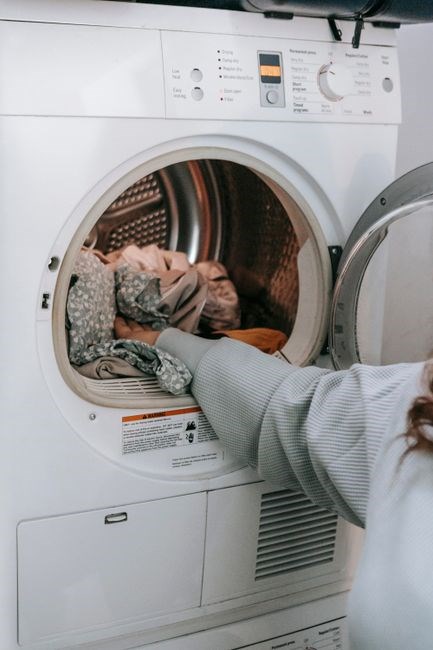
Use a gentle cycle at 30°C, load the blanket alone or with similar fabrics, and add a mild, fragrance‑free detergent․ Avoid bleach, fabric softener, and high spin speeds․ After washing, lay flat to dry, keeping away from direct heat․ Keep blanket dry storage to prevent mildew !
Recommended Temperature, Cycle, and Detergent Choices
To preserve the plush feel of a minky blanket, wash it at a low temperature—ideally 30 °C (86 °F)․ A gentle or delicate cycle is recommended; avoid heavy agitation that could cause the fibers to pill or fray․ Use a mild, fragrance‑free detergent formulated for delicate fabrics; avoid bleach, fabric softener, or any additive that could leave residue․ Load the blanket alone or with similarly colored, lightweight items to prevent abrasion․ After the cycle, rinse thoroughly to remove any detergent traces․ Do not use a high spin speed; instead, opt for a low spin or no spin to reduce strain on the fibers․ If your machine has a “delicate” or “wool” setting, that is suitable․ Finally, air‑dry the blanket flat or on a low‑heat rack; never tumble dry, as heat can shrink or damage the soft texture․ When selecting detergent, choose a liquid that is specifically labeled for delicates or for use on polyester blends․ Avoid powdered detergents, which can leave residue․ If you prefer eco‑friendly options, look for plant‑based detergents that are phosphate‑free․ For heavily soiled blankets, pre‑treat spots with a gentle stain remover, but test on a hidden area first․ After washing, flip the blanket to expose the underside to air, ensuring even drying․ Store the blanket folded, not compressed, in a cool, dry place to maintain softness․ If you must use a dryer, set it to the lowest heat setting and add a clean tennis ball or dryer sheet to help keep the fibers fluffy․ If the blanket shows loose threads or pilling after washing, trim them with scissors for smooth surface!!!
Hand Wash Procedure
Gently soak the blanket in lukewarm water with a mild detergent․ Swirl lightly, avoid scrubbing․ Let it sit for 10–15 minutes, then rinse thoroughly․ Pat dry with a towel, lay flat to air‑dry․ Store folded to keep softness․ Finally, avoid wringing; gently press water out․ Keep it dry․
Step-by-Step Hand Washing for Soft Fabrics
Prepare a basin or sink with lukewarm water (not hotter than 40°C) and add a small amount of gentle, fragrance‑free detergent specifically formulated for delicate fabrics․ Stir until fully dissolved․
Submerge the minky blanket completely, ensuring that all corners and seams are saturated․ Gently agitate the blanket with your hands for 30–45 seconds, taking care not to rub or twist the fibers, which can cause pilling or loss of softness․
Let the blanket soak for 10–15 minutes․ During this time, the detergent will break down oils and dirt without aggressive agitation․
Drain the soapy water and refill with clean, cool water․ Rinse the blanket thoroughly, gently pressing the fabric to expel remaining suds․ Repeat rinsing until the water runs clear and no detergent residue remains․
After rinsing, gently press the blanket against the side of the basin to remove excess water․ Avoid wringing or twisting, as this can distort the plush texture․
Lay the blanket flat on a clean, dry towel․ Roll the towel and blanket together, pressing lightly to absorb additional moisture․ Unroll and reshape the blanket to its original dimensions․

Place the blanket on a well‑ventilated drying rack or a flat surface away from direct sunlight or heat sources․ Allow it to air‑dry completely, turning it occasionally to promote even drying․
Once dry, fluff the blanket by lightly brushing the surface with a soft brush or your fingertips․ Store folded in a dry, cool place to maintain its plushness․
xxxxxxxxxxxxxxxxxxxxxxxxxxxxxxxxxxxx
Drying and Ironing Precautions
Use low heat or no heat․ Air‑dry flat, avoid direct sun․ If ironing, set iron to lowest setting, use a pressing cloth, and test on a hidden area first․ Never press with steam, as it can melt micro‑fibers․ Keep blanket cool to preserve softness․ Store folded in a dry pouch to avoid dust and keep fibers soft gently!!!․
Drying Methods and Avoiding Heat Damage
Air‑drying is the safest method for minky blankets․ Lay the blanket flat on a clean towel or a drying rack in a well‑ventilated spot, avoiding any hanging that could stretch the fibers․ If you prefer a dryer, use the “air‑dry” or “no‑heat” cycle at the lowest temperature (30 °C or below)․ Add a few clean tennis balls to keep the blanket lofted and prevent clumping․ Never use heat‑setting or wrinkle‑release cycles, as high temperatures can melt micro‑fibers and flatten the plush surface․ After the cycle, remove the blanket promptly to avoid dampness․ For stubborn moisture, blot gently with a dry cloth; avoid rubbing, which can compress the fuzz․ Once dry, fluff the blanket by lightly tapping or shaking it to redistribute fibers․ Store it in a breathable cotton bag or loosely folded pile, not in plastic, to prevent mold․ Following these drying practices will preserve the blanket’s softness and extend its life․
For optimal longevity, avoid using fabric softeners, as they can coat the fibers and reduce fluffiness․ If you must use a mild detergent, choose a liquid that is free of dyes and fragrances․ After washing, lay the blanket flat to dry, and once dry, give it a gentle shake to restore loft․ Store in a cool, dry place away from direct sunlight․ Regularly inspect for wear and replace any damaged areas promptly to maintain the blanket’s integrity․
Remember to keep the blanket away from pets․ If a spill occurs, treat it immediately with a soap solution and a soft brush․ After cleaning, let it air dry completely before storing․
Stain Removal Techniques
Use a spot cleaner: mix mild detergent with lukewarm water, apply with a soft cloth, blot, not rub․ Rinse with clean water, blot dry․ For protein stains, pre‑treat with a small amount of dish soap, let sit 5 min․ Avoid bleach or harsh chemicals that can damage plush fibers․
Safe Spot Cleaning for Minky Materials
When a minky blanket gets a spot, identify the stain type․ Protein‑based stains (blood, milk, sweat) respond best to a gentle enzymatic cleaner; oil or grease needs a solvent‑free detergent․ Test a hidden area before full treatment to avoid color loss․ Mix lukewarm water with a few drops of mild, fragrance‑free liquid detergent․ Dip a clean white cotton cloth into the suds, wring it out so it’s damp but not dripping, then gently blot the affected area․ Avoid scrubbing, which can push fibers and create pilling․ For stubborn marks, apply a small amount of a commercial stain remover safe for polyester blends, blot again, rinse by lightly dabbing with a cloth dampened in plain water, and blot dry with a towel․ If the blanket has a removable cover, wash the cover separately per its label, then reattach․ After cleaning, lay the blanket flat, reshape fibers to their original plushness, and allow it to air‑dry completely; avoid direct sunlight or heat that could shrink or warp the material․
Weekly light rinses with mild detergent keep fibers fresh․ For heavily soiled blankets, a short delicate cycle in cold water is acceptable if the care label allows․ Avoid bleach or fabric softener; they leave residues that attract dirt․ After washing, inspect for spots; repeat blotting if needed․ Store in breathable cotton bag, not plastic․
Remember minky’s micro‑fiber coating repels water, but moisture can still cause mildew if not dried promptly․ Use a fan or low‑heat dryer if allowed, and remove the blanket once dry to avoid condensation․ This method ensures the blanket remains fluffy and clean!!!

Storage Best Practices
Fold minky blankets flat, avoid creases, and store in a cool, dry place․ Use breathable cotton bags or paper, not plastic, to prevent moisture buildup․ Keep away from direct sunlight․ For long‑term storage, add cedar blocks or lavender sachets to deter moths․ Rotate use every few months to maintain fluffiness!!
Proper Folding, Packing, and Long-Term Care
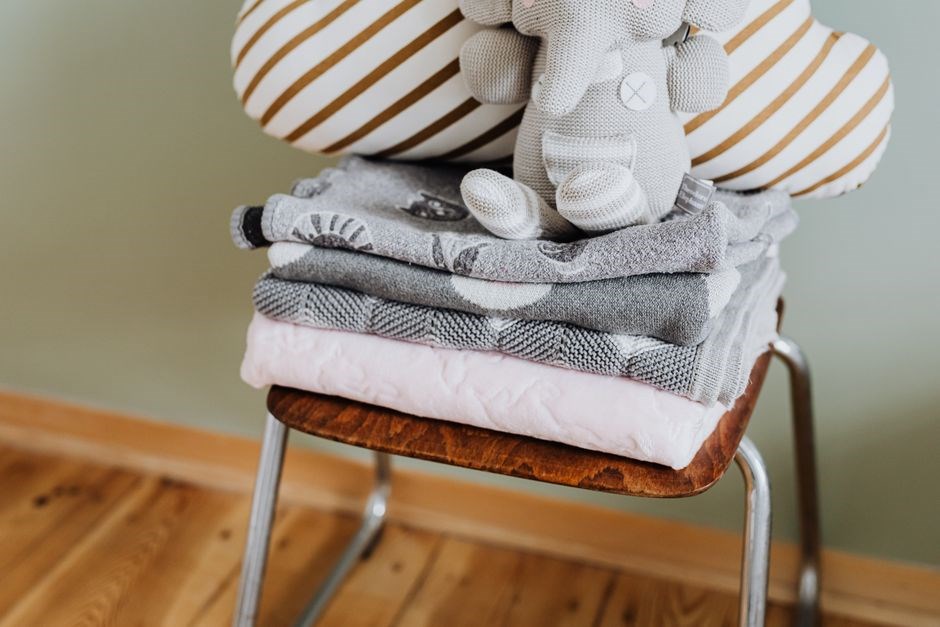
Begin by laying the minky blanket flat on a clean, dry surface․ Fold it in thirds lengthwise, then in thirds widthwise, forming a tight rectangle that minimizes bulk and preserves the plush texture․ This simple technique keeps the fibers from becoming permanently creased․
For packing, place the folded blanket in a breathable cotton storage bag or a paper envelope․ Avoid plastic bags, which trap moisture and can encourage mildew or mold growth․ If you prefer a plastic option, use a reusable, ventilated bag and add a moisture‑absorbing packet (silica gel) to keep humidity low․
When stacking multiple blankets, insert a soft, lint‑free cloth or a clean cotton sheet between each layer․ This reduces friction and prevents the blankets from sticking together, which can cause uneven wear․

Long‑term care benefits from natural moth deterrents․ Add cedar chips, lavender sachets, or dried rosemary to the storage area․ These scents repel insects without leaving residue on the blanket․ Replace the deterrents every six months to maintain effectiveness․
Store the blankets in a cool, dry location away from direct sunlight․ UV rays can fade the polyester fibers, while heat accelerates wear․ A climate‑controlled closet or a dedicated storage box works well․ Label the storage bag or box with the blanket’s size and care instructions for quick reference․
Before reusing a stored blanket, give it a gentle shake to redistribute the fibers, then lay it flat for 10–15 minutes to restore its original softness․
By following these folding, packing, and long‑term storage guidelines, you’ll preserve the luxurious texture of your minky blanket and extend its lifespan for many seasons․ Keep it in a bag to avoid moisture dust!!!